
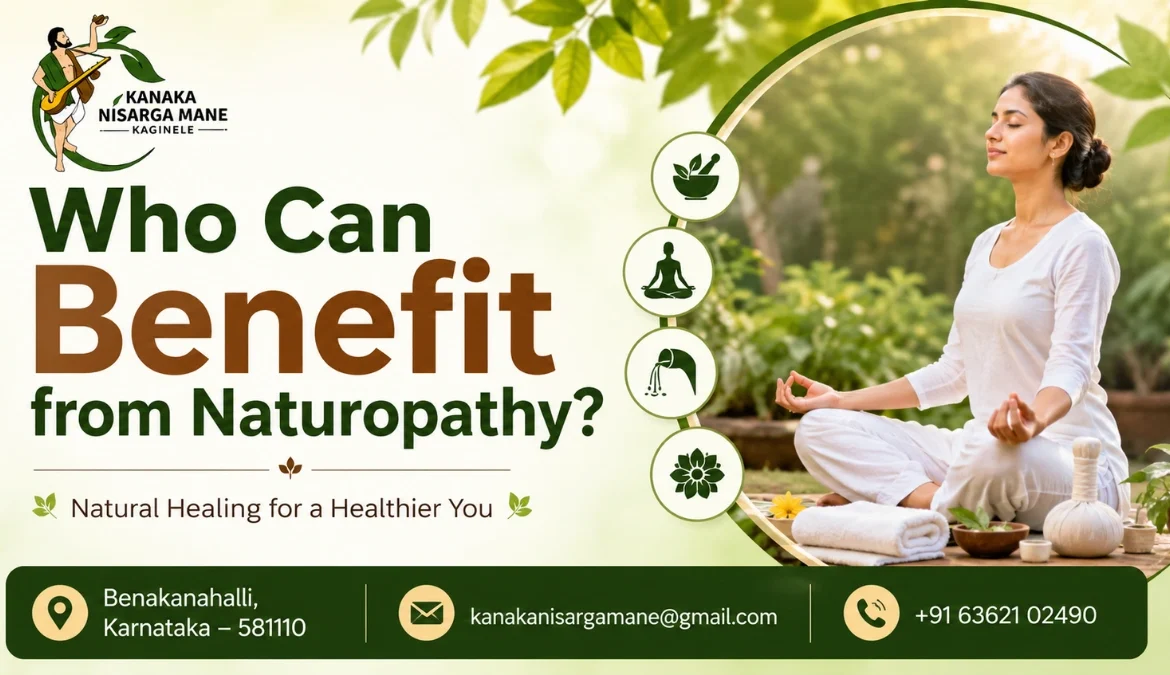
Who can benefit from naturopathy? Naturopathy may be suitable for people who want to improve their overall health through natural therapies, healthier lifestyle habits, nutrition, yoga, physical therapies, and personalised wellness plans. It is commonly considered by people dealing with lifestyle-related health concerns, stress, digestive problems, weight-management goals, musculoskeletal discomfort, and certain chronic conditions.
Unlike a one-size-fits-all approach, naturopathy generally focuses on understanding the individual’s lifestyle, diet, daily habits, and overall wellbeing before creating a personalised plan.
At Kanaka Nisarga Mane, naturopathy is combined with Ayurveda, yoga, nutrition, meditation, and physiotherapy to provide a broader approach to wellness.
What Is Naturopathy?
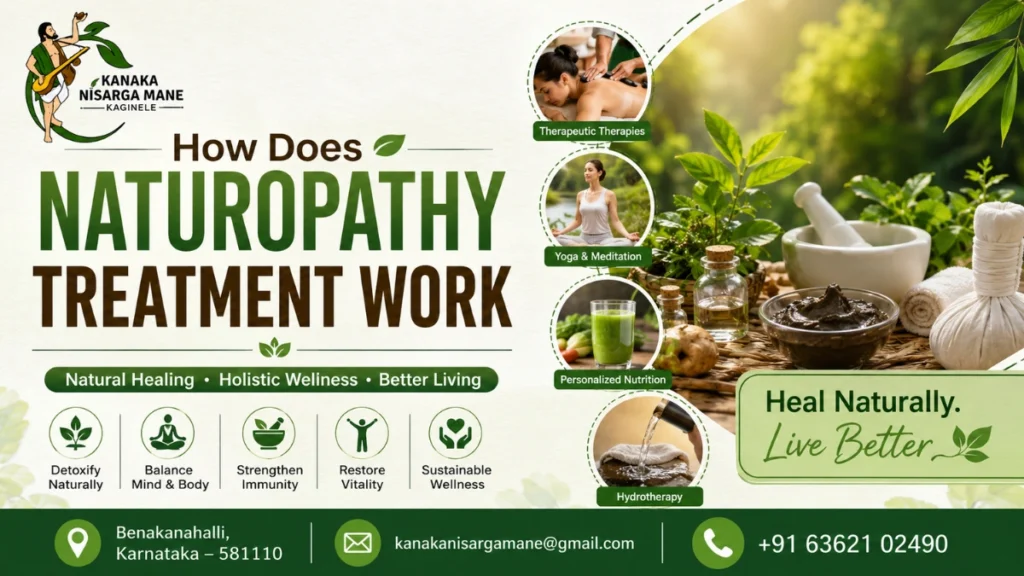
Naturopathy is a holistic system of healthcare that emphasizes natural approaches and healthy lifestyle practices. Depending on the individual’s needs, a naturopathy programme may include nutrition guidance, therapeutic yoga, exercise, relaxation practices, hydrotherapy, massage or other supportive therapies.
The central idea is to encourage healthier habits and support the body’s natural processes rather than focusing only on individual symptoms.
However, naturopathy should not automatically replace conventional medical care. People with serious or diagnosed medical conditions should discuss complementary therapies with their qualified healthcare professional.
Who Can Benefit from Naturopathy?
Naturopathy may be considered by different groups of people depending on their health goals and individual circumstances.
1. People Looking to Improve Overall Wellness
You do not necessarily need to have a specific illness to be interested in naturopathy.
People who want to improve their general wellbeing may explore naturopathy as part of a healthier lifestyle. Nutrition guidance, physical activity, yoga, relaxation and better daily routines can help support long-term wellness.
A personalised wellness programme can also help people identify lifestyle habits that may be affecting their energy, sleep, digestion or general wellbeing.
2. People With Lifestyle-Related Health Concerns
Modern lifestyles can involve long working hours, irregular meals, limited physical activity, stress and inadequate sleep.
People experiencing lifestyle-related concerns may benefit from guidance focused on:
- Healthier food choices
- Regular physical activity
- Stress management
- Better sleep habits
- Weight management
- Yoga and breathing practices
- Sustainable lifestyle changes
The objective is to build habits that can realistically be continued after the wellness programme ends.
3. People Interested in Weight Management
People trying to manage their weight may consider naturopathy alongside appropriate nutrition and physical activity.
A naturopathy-based wellness plan may include personalised dietary guidance, exercise, yoga and lifestyle counselling based on individual needs.
Rather than depending on extreme diets, the focus can be on developing sustainable eating and activity habits.
Weight management should always consider factors such as age, existing health conditions, medications, activity levels and nutritional requirements.
4. People Experiencing Digestive and Gut-Related Concerns
Digestive wellbeing is closely connected with food habits, hydration, physical activity and lifestyle.
People experiencing recurring digestive discomfort may seek professional guidance regarding their diet and daily routine.
A naturopathy programme may incorporate:
- Personalised nutrition
- Healthy meal planning
- Adequate hydration
- Yoga and physical activity
- Relaxation techniques
- Lifestyle modification
Persistent symptoms such as severe abdominal pain, unexplained weight loss, blood in stool or prolonged digestive problems require proper medical evaluation.
5. People Managing Stress and Mental Fatigue
Work pressure, screen time, poor sleep and busy routines can contribute to feelings of stress and fatigue.
Naturopathy programmes often incorporate relaxation-focused practices such as yoga, meditation, breathing exercises and lifestyle counselling.
These approaches may help people develop healthier routines for relaxation and self-care.
Naturopathy should not be considered a replacement for professional mental-health treatment when someone is experiencing a mental-health disorder or significant psychological distress.
6. People With Musculoskeletal Discomfort
People experiencing certain types of back pain, joint discomfort or mobility problems may explore naturopathy as a complementary wellness approach.
At Kanaka Nisarga Mane, naturopathy is supported by physiotherapy, therapeutic exercises and manual therapies where appropriate.
A professional assessment is important because different causes of pain require different treatment approaches.
For persistent, severe or unexplained pain, proper medical diagnosis should come first.
7. People Interested in Yoga and Mind-Body Wellness
Naturopathy can be a good fit for people who want to incorporate yoga and mind-body practices into their wellness routine.
Depending on individual requirements, programmes may include:
- Yoga
- Pranayama
- Meditation
- Relaxation techniques
- Guided physical activity
- Lifestyle education
These practices can support flexibility, physical activity, relaxation and overall wellbeing.
8. People Looking for Personalised Nutrition Guidance
Nutrition plays an important role in overall health.
People who are unsure about what to eat, how to structure meals or how to maintain healthier eating habits may benefit from professional nutritional guidance.
A personalised plan can take into account health goals, food preferences, lifestyle, activity level and individual requirements.
At Kanaka Nisarga Mane, nutrition support is part of its broader wellness approach, including personalised diet plans and nutritional counselling.
9. People Interested in Complementary Wellness Approaches
Some people use naturopathy alongside conventional healthcare because they want additional support for lifestyle improvement and wellbeing.
For example, a person may work with their doctor for medical treatment while also following professional guidance regarding nutrition, physical activity, stress management and yoga.
This type of complementary approach should be coordinated responsibly, particularly when prescription medicines or ongoing medical treatment are involved.
10. People Seeking a Structured Wellness Retreat
Some people find it difficult to maintain healthy routines while managing their normal work and family responsibilities.
A naturopathy retreat provides an opportunity to temporarily step away from everyday distractions and focus on:
- Healthy food
- Rest and relaxation
- Yoga
- Physical activity
- Nature-based surroundings
- Personalised wellness guidance
- Lifestyle education
A structured environment can make it easier to focus on healthy habits and understand how they can be continued at home.
Who Should Consult a Doctor Before Naturopathy?
Naturopathy is not suitable as a substitute for emergency or essential medical treatment.
You should speak with a qualified medical professional before beginning a naturopathy programme if you:
- Have a serious or chronic medical condition
- Are pregnant or breastfeeding
- Take prescription medicines regularly
- Recently underwent surgery
- Have severe or unexplained symptoms
- Have an acute infection or medical emergency
- Are considering stopping prescribed medication
- Need treatment for a condition requiring specialist care
A qualified practitioner should also be informed about your existing diagnoses, medicines and other treatments.
Is Naturopathy Suitable for Everyone?
Not necessarily. Whether naturopathy is appropriate depends on an individual’s health status, goals, medical history and current treatment.
For generally healthy adults, naturopathy may be explored as part of a healthy lifestyle and wellness routine. For people with medical conditions, it is important to seek appropriate medical evaluation and use naturopathy only when it is considered safe and suitable.
The quality of care also matters. Choose a centre that provides individual assessment, qualified practitioners, transparent treatment information and appropriate medical referrals when required.
What Can You Expect During a Naturopathy Programme?
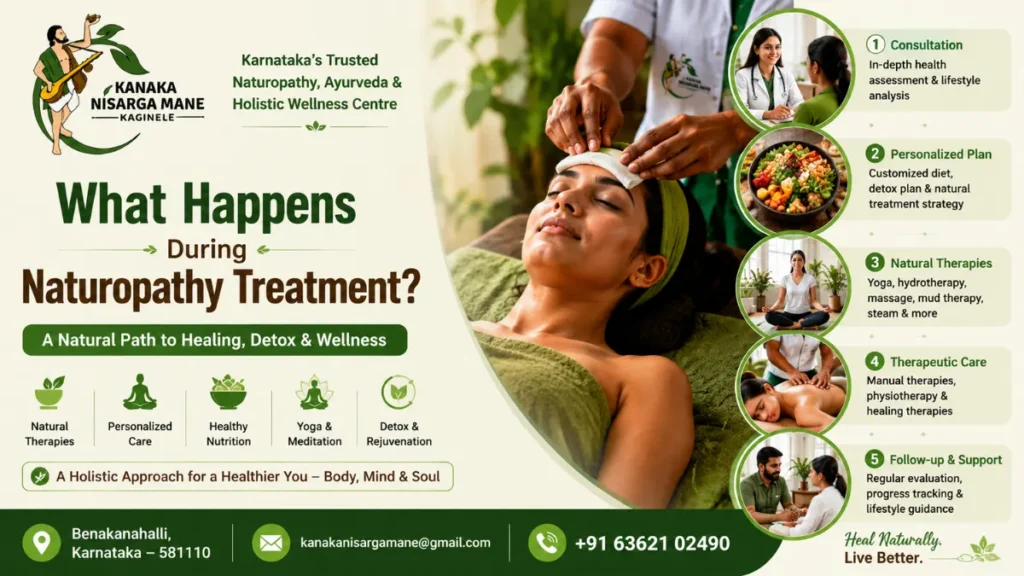
Your experience will depend on your health goals and the programme offered by the centre. A personalised naturopathy programme may involve:
Initial Assessment
The practitioner may discuss your health concerns, lifestyle, diet, activity levels and wellness goals.
Personalised Wellness Plan
Based on the assessment, the programme may include nutrition, yoga, exercise, relaxation or other appropriate therapies.
Healthy Diet and Nutrition
You may receive guidance on balanced meals and practical dietary habits that fit your lifestyle.
Yoga and Relaxation
Yoga, pranayama and meditation may be incorporated to support physical activity and relaxation.
Supportive Therapies
Depending on the centre and your individual needs, therapies such as hydrotherapy, massage or physiotherapy may be included.
Follow-Up Guidance
Long-term improvement depends heavily on what happens after a retreat or treatment programme. Follow-up guidance can help people maintain healthier habits in everyday life.
Why Choose Kanaka Nisarga Mane for Naturopathy?
Kanaka Nisarga Mane is a naturopathy, Ayurveda and holistic wellness centre located in Benakanahalli, Karnataka.
The centre combines naturopathy with complementary wellness services such as:
- Ayurveda
- Physiotherapy
- Yoga and meditation
- Nutrition and diet planning
- Therapeutic exercises
- Manual therapies
The centre states that it has 10+ years of clinical experience and has treated 10,000+ patients. Its approach focuses on personalised wellness plans rather than providing exactly the same programme to every person.
The centre also provides accommodation options, making it suitable for people looking for a residential wellness experience.
How to Choose the Right Naturopathy Centre
Before choosing a naturopathy centre, consider the following:
Qualified practitioners: Check who will assess and supervise your programme.
Personalised treatment: Your programme should be based on your individual health needs rather than a standard package alone.
Transparent communication: The centre should clearly explain what therapies are being offered and what you can realistically expect.
Medical coordination: A responsible centre should recognise when conventional medical evaluation or treatment is necessary.
Nutrition support: Check whether dietary recommendations are practical, balanced and appropriate for your health requirements.
Accommodation and facilities: If you are planning a residential retreat, check the accommodation, food, hygiene and daily schedule beforehand.
FAQs
Who can benefit from naturopathy?
People interested in improving their lifestyle, nutrition, physical activity, stress management and overall wellness may consider naturopathy. Its suitability depends on individual health conditions and goals.
Can healthy people take naturopathy treatment?
Yes, healthy individuals may explore naturopathy as a wellness and lifestyle programme. It can focus on nutrition, yoga, exercise, relaxation and healthier daily habits.
Can naturopathy help with lifestyle-related problems?
Naturopathy may support lifestyle improvement through nutrition, physical activity, stress management and other wellness practices. It should not be presented as a guaranteed cure for a specific disease.
Is naturopathy suitable for older adults?
It may be suitable for some older adults, but their existing medical conditions, medications and physical limitations should be considered before starting a programme.
Can children undergo naturopathy?
Children require special consideration. Parents should consult an appropriately qualified healthcare professional before choosing naturopathy or any complementary treatment for a child.
Can naturopathy be combined with conventional medicine?
In some situations, naturopathy may be used as a complementary approach. However, patients should inform their doctors and naturopathy practitioners about all treatments and medications they are using.
Does naturopathy involve only herbal treatments?
No. Depending on the programme, naturopathy may include nutrition, yoga, exercise, relaxation practices, hydrotherapy and other supportive therapies. Specific treatments vary between practitioners and centres.
How long does naturopathy treatment take?
The duration depends on the person’s goals, health condition and treatment plan. A short wellness programme and a longer therapeutic programme may have very different schedules.
Is naturopathy good for stress?
Naturopathy programmes may include yoga, meditation, breathing exercises, relaxation and lifestyle changes that support stress management. Persistent or severe mental-health symptoms require professional evaluation.
Can naturopathy help with weight management?
Naturopathy may support healthy weight management through personalised nutrition, physical activity and lifestyle changes. Sustainable weight management should avoid extreme or nutritionally inadequate diets.
Is naturopathy a replacement for medical treatment?
No. Naturopathy should not replace necessary medical diagnosis, emergency care or prescribed treatment. It may sometimes be used as a complementary wellness approach under appropriate professional guidance.


